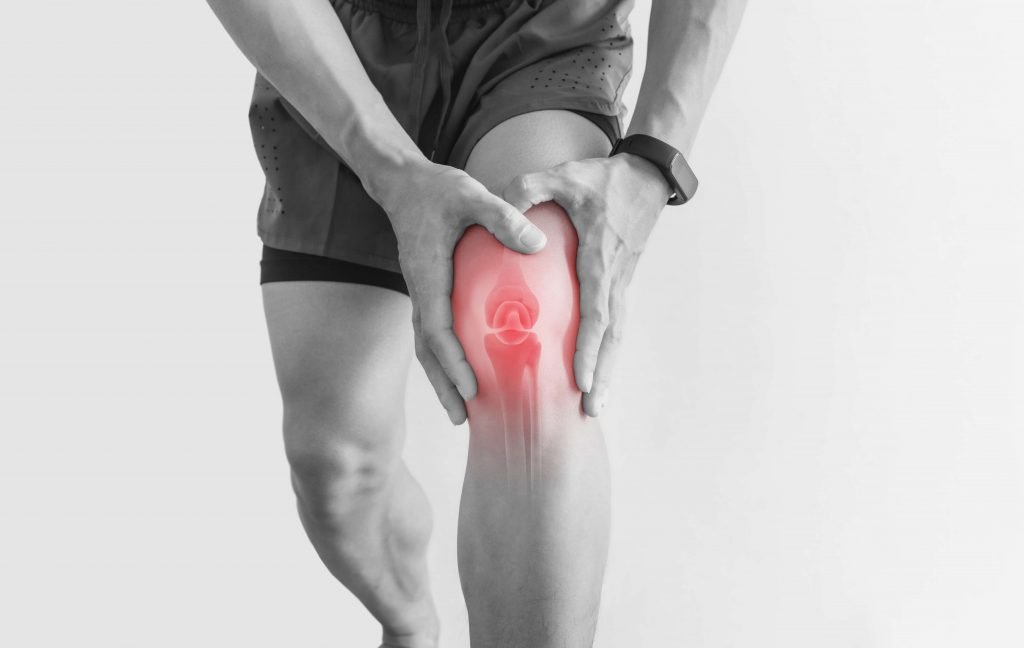
A knee replacement procedure could be life-changing. However, the way you handle it following surgery is just as much as the surgery itself. Doing the wrong thing in the recovery process can slow the healing process, cause pain, and may affect your longer-term outcome.
Here are the 5 most common errors after knee replacement in Ranchi that patients are prone to make and the best way to prevent them.
Quick Answer
- The most frequent mistake. It can cause stiffness and a delay in healing.
- Ineffective pain management (either abstaining from meds or too dependent on these medications) could lead to a vicious pattern of restricted movement that leads to an increase in the amount of pain.
- If you resume activities too early, it can cause injury to your joints.
- Disregarding post-operative instructions for the proper sleeping position and guidelines for movement could cause a delay in the healing process.
- The absence of follow-up appointments can mean that complications could go unnoticed.
The Top 5 Mistakes After Knee Replacement
1. Skipping or Rushing Through Physiotherapy
The most common mistake? That physiotherapy is a luxury.
The knee you’ve just received must master the art of moving properly and again. It’s not just focused on building muscle strength, it’s about stopping stiffness, improving the motion of your joints and teaching your muscles to assist the joint.
Patients may skip appointments because they’re uncomfortable or feel they’re making progress independently. Other patients stop attending sessions when their pain has eased. Both strategies result in a negative outcome.
Studies have shown that physiotherapy early following knee replacements improves performance, eases discomfort and reduces the length of hospitalization. If you miss a session or fail to do a home exercise routine, your knee may get stiff quickly. When that occurs, it will be difficult to get back to full motion.
Instead, you should participate in every physio class that your doctor recommends, and then do the exercises you do every day at home even if you aren’t feeling like it or are uncomfortable. It is common and tends to ease after your knee has warmed up.
2. Not Managing Pain Properly
Controlling post-op discomfort is a delicate act. Do not take enough medication then you’ll not be able to sleep or move at a comfortable level. If you take too much medication over a long period of time or you could be at risk of becoming dependent or hiding problems that require care.
Most often, the error is to wait until the pain is unbearable to seek relief. When it’s that time it’s already late sleeping in bed, not moving and making recovering more difficult.
It is during sleep that your body performs the bulk of its healing. If your body is constantly waking you awake, recovery may slow. If you’re unable to do your physio exercise due to the pain, you’re putting yourself back.
Instead, you should take pain medicine as prescribed and not only when you feel it is getting worse. A 30-minute dose of relief prior to exercise can assist you in getting through your exercise. Consult with Dr. Ujjawal Sinha, an experienced knee replacement surgeon in Ranchi about how you can modify your pain management program to suit your needs.
3. Doing the Wrong Exercises or Returning to Activities Too Soon
You’re feeling great a few weeks following surgery? It’s wonderful, but that does not mean that you’re able for a return to activities that require a lot of energy.
The most common knee replacement exercises to be avoided include jumping, running excessive squatting, and heavy squatting and high-impact activities like netball and basketball. These sports put too much pressure on the artificial joint, which can lead to the joint to become loose or wear out prematurely.
How to avoid it: Keep to activities that are low impact, such as swimming, walking and biking on stationary bikes. Increase your level of activity gradually in accordance with your physiotherapist’s advice.
If you’d like to go back to playing golf, gardening or bushwalking, consult your doctor if it’s appropriate and the modifications you may require. If you are planning your treatment, understanding the knee replacement cost in Ranchi and discussing your recovery goals with an experienced orthopaedic specialist can help you prepare both physically and financially for a smooth return to an active lifestyle.
4. Ignoring Post-Operative Instructions (Especially Sleep Position)
One of the most frequently asked concerns we get is “Why is there no cushion underneath the knee post-surgery?”
The answer is simple: putting pillows directly on the knee will cause it to bend, which can cause a contraction of the flexion. Your knee will heal by bending slightly and then you are unable to straighten your knee completely, which is nearly impossible to change.
A full knee stretch (straightening) is necessary to be able to walk, stand and movement. Propping your knee at a bending position during long time periods can cause the formation of scar tissue and restricts your movement.
Instead, if you are elevating your leg, put pillows underneath your ankle but not directly beneath your knee. It keeps your leg raised (reducing swelling) but allows the knee to stay straight. The best knee replacement surgeon in Ranchi might also suggest easy stretching to keep your leg extended particularly in the first stages.
Some other common errors are:
- Standing with your legs crossed (puts pressure on joint)
- The position of sitting on low chairs or couches (makes it challenging to stand up without straining your knee)
- Inappropriate footwear or thongs (increases chance of falling)
5. Missing Follow-Up Appointments
There’s a chance that you’re feeling fine at home, but it does not mean that everything is healed flawlessly.
Following-up appointments allow your surgeon to observe your progress and look for signs of early infections or other complications like stiffness, and alter your treatment plan if necessary. The physical exam and imaging may uncover issues that aren’t evident, for instance implants that are not properly placed, excess swelling, or delayed healing.
By avoiding these appointments, you lose vital security protection. Small issues, if caught in the early stages are easily managed However, if they’re not dealt with it is possible to develop into grave issues.
The best option is to consider follow-up appointments to be not negotiable. Get in touch with one of the joint replacement surgeon in Ranchi promptly if you find a sudden increase in swelling, inflammation, pain, fever on the inside of your incision or difficulty getting your leg moving.
What About Permanent Restrictions After Knee Replacement?
The majority of patients resume their regular activities in 3 to 6 months. However, there are a few permanent limitations following knee replacements that you must be conscious of.
Activities that are high-impact such as jumping, running, extreme weightlifting and sports shouldn’t be used for long periods as they may cause more wear to the artificial joint. It is generally uncomfortable to kneel (though it’s not difficult) because of the way the implant is placed beneath the skin.
But, you’ll still have fun:
- Hiking and bushwalking in even terrain
- Water aerobics and swimming
- Tennis and Golf
- Cycling
- Work out in the gym with modifications
Your knee replacement doctor in Ranchi will offer specific advice, based on your particular implant and objectives for your activity.
Are you unsure of which procedure best suits your needs? Learn more about the difference between a partial or complete knee replacement to know the possibilities.
How to Avoid These Mistakes
It doesn’t need to be difficult. What works is:
Keep up with your fitness. Even when you are tired or feel sore, take your time and do your workouts. Intensity is not the only thing you should be doing.
Be sure to follow the rules. Restriction on your sleeping position, activities and wound healing. These aren’t recommendations. They’re based upon what’s working most effectively for most patients.
Be patient. Recovery can be measured in months and weeks rather than days. Over-exerting yourself too quickly, is among the most frequently used ways for patients to get themselves behind. If you are considering treatment, understanding the knee replacement surgery cost in Ranchi along with choosing an experienced orthopaedic specialist can help you plan your recovery better and ensure long-term mobility and comfort.
If you’re thinking about knee replacement surgery in Ranchi is available or you would like to have a discussion knee replacement expectations , our team can help. Also, we offer robotic knee replacement to improve precision, and possibly more rapid recuperation.

Leave a comment