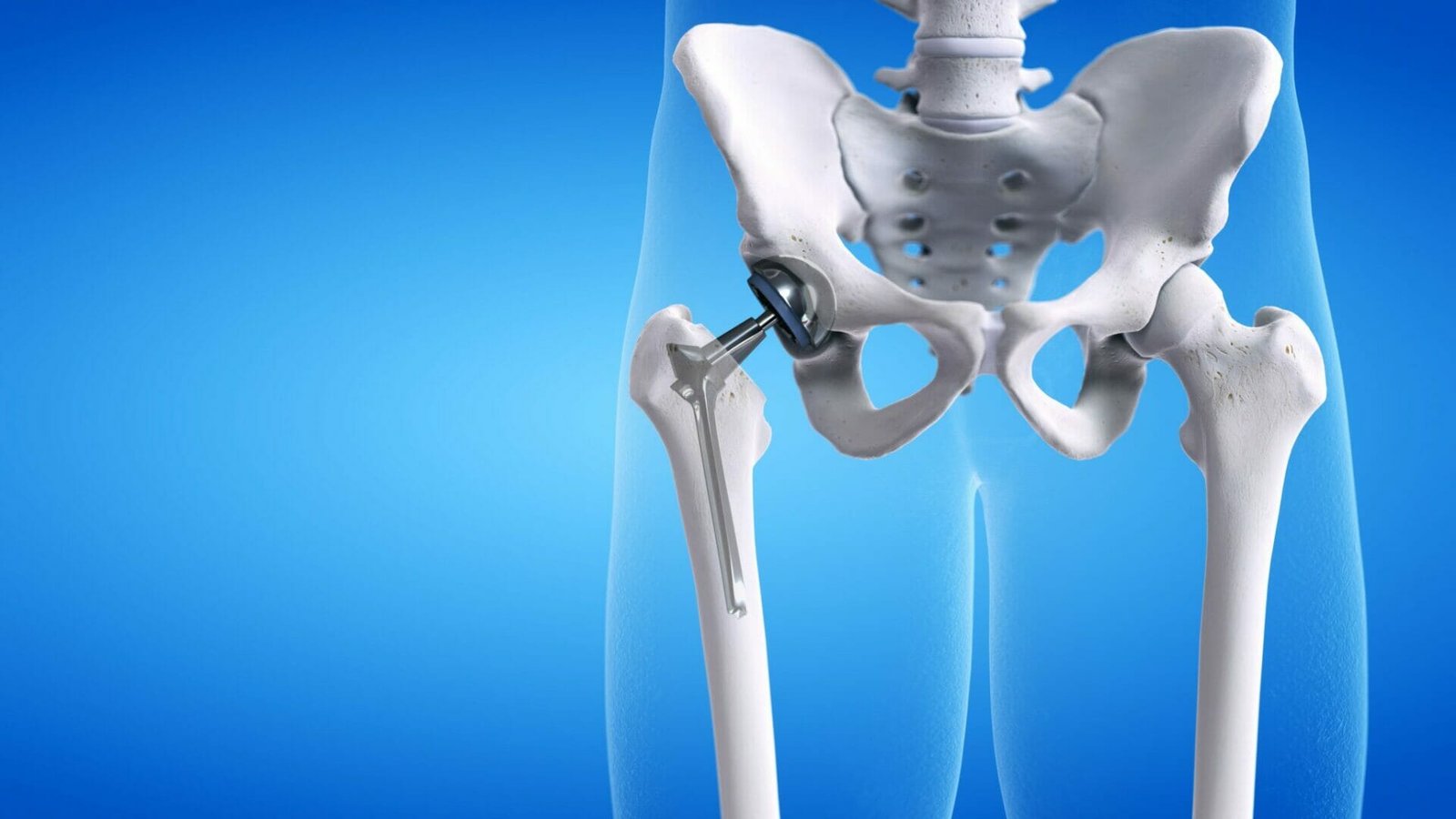
It’s been a couple of days (or months) in the recovery of your hip replacement, but something isn’t right. In lieu of the groin discomfort it was before the surgery there’s this persistent ache in the buttock area.
It’s a question: is this normal? Should I be concerned?
The pain in the buttocks following the hip replacement can catch many people completely off-guard. Your hip joint may function perfectly, however you’re experiencing pain in a place you never expected. What’s the good thing? There’s no need to worry. There are typically specific explanations as to why things are happening.
About 90 percent of those who undergo hip replacement suffer significant relief from pain. However, the 5 percent who aren’t able to – and those who experience new pain patterns, often suffer from buttock pain that requires an accurate diagnosis and appropriate treatment.
Quick Answer
Common reasons for buttock and hip pain following the hip replacement
- Gluteal tendon issues (inflammation or tear)
- Nerves in the sciatic region are irritated caused by the procedure
- The healing of muscle and the formation of scar tissue
- Pain that is referred emanating from your lower back SI joint
- More uncommon: issues with implants or an infection
What are the typical pains after the hip joint replacement procedure? A mild buttock ache for up to 3 months is normal as the muscles recover. A sharp or worsening chronic pain that lasts beyond three months should be investigated.
Why Your Buttocks Hurt After Hip Surgery
The thighs and hips have a complex connection. The gluteal muscles cover the hip joint to safeguard it. If a Hip replacement surgeon in Ranchi performs surgery at your hip this muscle and its tendon can become damaged, even if you use the most cautious procedure.
Gluteal Tendon Issues
It is the main reason for buttock pain following the hip replacement. The gluteal tendons connect muscle to bone in the top of your thigh. In the course of surgery they can get damaged or stretched. The majority of patients had damaged tendons prior to the procedure (gluteal tendinopathy) which may take some time to heal, and then strengthen following the joint reconstruction.
The research shows that people who have a pre-existing injury to the gluteal tendon apparent in MRI scans prior to surgery are more likely to suffer from worse outcomes and lower satisfaction following the hip replacement in Ranchi. It isn’t possible for the tendon to heal itself because the hip joint has been removed, although certain issues get better over time.
The pain is usually felt in the back of your hip, or into your buttocks, particularly while lying down on the side or ascending stairs.
Nerve Irritation
The lateral femoral cutaneous connects directly to the surgical area in hip replacement surgical procedure. When surgery is performed, particularly an anterior approach to hip replacement, the nerve may stretch or create scar tissue around it which can cause numbness and thigh pain during hip replacements, which can be experienced by about 30 percent of patients.
The pain could be felt as burning pain, sharp jabs or tingling instead of a numb pain. Risk of nerve injuries and chronic pain in the thigh can be significantly reduced by the post-operative technique for the hip joint replacement.
Good news? The majority of nerve irritation disappears in some months, as the swelling subsides and tissues recover. Nerve symptoms that are severe or worsening should be evaluated promptly to determine if there is compression which could require medical intervention.
Muscle Healing and Scar Tissue
Surgery causes soft tissue to be damaged. The body responds by causing swelling and scar tissue, as part of the healing process. It can result in occasional buttock stiffness and pain especially in the initial 8-12 weeks.
In patients who are 8 weeks following hip replacement, pains and pains can be commonplace in the buttocks region, because muscles recover strength and scar tissue ages. The majority of patients improve through physiotherapy and gentle movements.
In the end, scar tissue that is too large could entrap the sciatic nerve and strain the gluteal muscles which can cause chronic discomfort that could require physical therapy or, in extremely uncommon cases, surgery.
Pain That’s Not Actually From Your Hip
This is where things get difficult: the pain in your buttocks could have nothing to do with the new hip. Problems with the lower back (like disc bulges, or spinal stenosis) and sacroiliac joint problems can both trigger buttock discomfort. The research suggests that 71 percent of patients suffer from buttock discomfort and 22% suffer from discomfort below Hip replacement surgery in Ranchi. Some refer to pain caused by various structures.
When Should You Worry?
There is a possibility of discomfort in the buttocks. However, certain indications warrant prompt focus:
- Pain that is getting more severe is not getting any better.
- Chills, fever or a wound drain (possible infection)
- The pain is sudden and sharp, with pop sensation (possible dislocation)
- A shaky leg or feet drop
- A tingling sensation that spreads down your leg
- Insomnia that stops you from laying down or performing simple tasks
In answer to the query “why does my hip replacement suffer after five years” The pain that occurs several years after surgery might be an indication of the wear of the implant, loosening or infections, or a different issue such as tendon degeneration. It’s not typical and warrants an investigation using imaging or testing for blood.
Get more details about the probable timeframe for the recovery of hips and the life expectancy for hip implant.
How to Address Buttock Pain After Hip Replacement
Treatment is dependent on the causes, but the majority of buttock pains can be treated with moderate treatment.
The physiotherapy process is the basis of the treatment. The skilled physiotherapist will improve your gluteal muscles and loosen up tight spots and help improve your walking. If you’ve experienced muscular imbalances or bad movements during your recuperation, they should be addressed.
When managing such concerns, especially after major joint surgery, consulting with the best hip replacement surgeon in Ranchi and a skilled physiotherapist can make a significant difference in optimizing your recovery and achieving the best possible outcomes.
The most advanced treatments, for instance the platelet rich plasma (PRP) therapy, could aid in healing damaged tendons of the gluteal through stimulating the body’s own repair mechanisms. If you have severe tendon tear surgery may be needed.
If you are planning your procedure, understanding the hip replacement surgery cost in Ranchi along with proper recovery guidance can help you prepare better and ensure a smoother, more confident return to daily activities.
Conclusion
Buttock pain that follows the partial or total hip replacement Ranchi is commonplace and is usually manageable. A majority of the cases result from the gluteal tendon, inflammation of the nerve or muscle and all can be improved through time and proper treatment.
It’s all about a precise diagnosis. Do not assume that all pain post-surgery will be “normal.” If you feel something isn’t wrong, you should speak to Dr. Ujjawal Sinha. Your surgeon’s team will prefer to examine the issue early rather than tackle an ongoing issue later.
If you are properly managed and have the assistance of an experienced Hip replacement doctor in Ranchi, most patients will be back to normal and pain-free mobility within the next few months.


Leave a comment