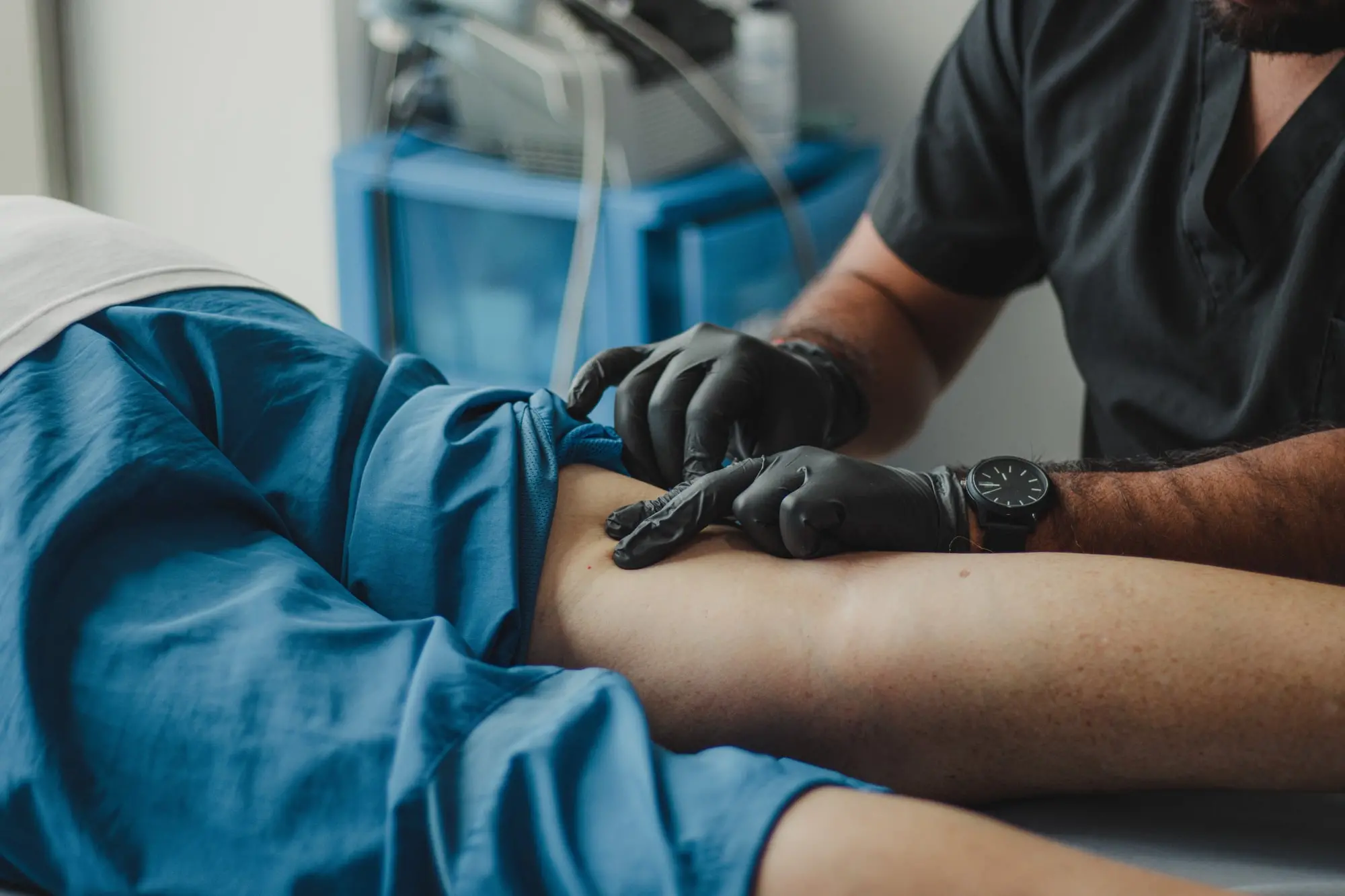
The knee is a crucial joint of the body since it permits us to stretch and straighten our legs, which are essential to running, walking, and a variety of other actions. The knee also functions as an articulation that can bear weight, which signifies that it holds the weight of our body and assists us in standing and walking.
The knee is an essential and complicated joint of the human body. It helps maintain flexibility and independence, according to Dr. Ujjwal Sinha, a well-known orthopedic doctor in Ranchi.
It is susceptible to wear and tear with time. This could cause a decline in strength and stabilization. This can be caused by the natural ageing process, but can also be aggravated by other factors like overweight, inactivity as well as prior injury. When your knee gets less flexible, it will be more vulnerable to injuries and might not perform like it did when you were young, and may require knee replacement surgical intervention.
This blog is about knee surgery for replacement, its recovery, and the issues.
Knee Repair Operation
The procedure of knee replacement in Ranchi, often known as knee arthroplasty, is a method of surgery used to repair the worn or damaged knee joint using synthetic joints. Artificial joints, also known as a prosthesis, are composed of plastic and metal parts created to replicate the functionality of a natural knee joint.
It is usually advised for those suffering from significant pain or disability due to Rheumatoid arthritis, osteoarthritis that is advanced osteoarthritis, and other ailments that affect the knee joints. The knee replacement procedure aids your worn, ill-fitting, or injured knee joint to restore the ability to hold your weight.
Different Types of Knee Replacement Surgical Procedures
When undergoing a knee replacement that is performed, the damaged part of the worn-out knee joint will be removed and capped with a synthetic component. The knee joint has three compartments: the medial (within the knee) and the lateral (outside of the knee), and finally, the cap of knee.
The knee replacement procedure may be complete or partial.
Partially knee replacement, often referred to as unicompartmental replacement, involves replacing only one part of a medial joint, the lateral joint, or the cap of the knee. The knee replacement expert Dr. Ujjwal Sinha adds, “Being picky when deciding which knees are suitable for partial replacements is essential because a bad selection is to blame for early failures.”
When a knee replacement is a total one surgery, a surgeon will replace both the outside and inside parts of the knee joints, which include the thighbone (femur) as well as the shin bone (tibia) and the joint cap (patella). The procedure is not mandatory and generally is recommended for those with extreme pain and disabilities due to Rheumatoid arthritis, advanced osteoarthritis, and other ailments that impact the knee joint.
A knee replacement that is an elective procedure may, in certain instances, that it does not need to be scheduled on an urgent basis. It can also be planned to coincide with the patient’s most major life-changing events.
Is Total Knee Replacement Surgery A Lengthy Procedure?
The total knee replacement procedure is an extensive operation that needs to be taken into consideration. It involves cutting incisions inside the knees to take out the worn or damaged surfaces of your knee joint. They then replaced them with a synthetic joint. The procedure is usually done under general anesthesia and may take a few hours to finish.
After surgery is completed, you’ll need to go through a phase of rehabilitation in order to help you regain power and mobility to the knee.
Ranchi’s most renowned orthopedist, Dr. Ujjwal Sinha, ensures that the procedure is discussed as well as the potential advantages and risks of surgery, for the patient as well as their family members, to ensure they are able to consider every treatment option before they make an informed choice.
What Should You Expect To See After The Operation?
After undergoing knee replacement surgery, you should expect to see a substantial improvement in the knee’s function and relief from pain. But the path for recovery isn’t easy, and you need to prepare yourself for possible challenges and the changes that could happen. Below is a brief outline of what to expect following knee replacement.
After the procedure following the surgery, you’ll be transported to the clinic recovery area, and medical personnel will be watching you for problems. They will provide you with drugs to manage any discomfort or pain it may cause. You may experience an increase in pain, swelling, and stiffness of the affected knee. These symptoms are likely to diminish over time when you take care of your knee and do rehab.
When you’re well and are at a point where you are ready for discharge, you will then be transferred into a rehabilitation center, or returned to your home and given instructions on how you can continue the recovery process at your home. Contact us for knee ligament surgery cost in Ranchi.
Rehabilitation Process
The initial few days following the operation will be critical in your healing process, as you’ll need to follow certain measures to prevent any issues. This could include using audible devices like crutches or a walker, to ensure that you don’t put the weight of your knee, keeping it elevated in order to minimize swelling, as well as performing a range of motion exercise to avoid stiffness.
Knee replacement doctor in Ranchi will provide the patient with an exhaustive rehab plan that outlines the exact actions and exercises you’ll need to perform to restore the strength and flexibility of your knee. It will usually include a mixture of occupational therapy, physical therapy, and various therapeutic treatments.
“The rehabilitation process can take several weeks or months, and it is important to follow your doctor’s instructions and attend all recommended therapy sessions to ensure the best possible outcome.” The blog explains the orthopedic surgeon, Dr. Ujjwal Sinha.
Common challenges
It is possible that you will experience typical challenges and adverse effects as part of the process of rehabilitation. This could include:
- The pain and discomfort that you experience: It is normal to feel some discomfort and discomfort for the first several days or weeks after the operation. The doctor may prescribe pain medication to manage the discomfort and will also suggest that you use ice packs or hot pads to lessen the discomfort and pain.
- Tightness and swellingThere may be stiffness and swelling in the knee that is affected knee, particularly at the beginning of rehab. Your physical therapist will demonstrate the use of audible devices as well as perform exercise routines to lessen stiffness as well as increase your knee’s flexibility.
- Infection While it is not common, it is still a risky consequence after the knee joint replacement procedure. In order to reduce the chance of developing an infection, your physician prescribes antibiotics and provides instructions on correct wound care. You must adhere to these guidelines carefully. You should seek out your physician when there are any indications of infection, like swelling, redness, or drainage from the area.
Conclusion
The knee replacement procedure is generally advised for those suffering from severe discomfort and impairment due to advanced osteoarthritis. Osteoarthritis is a disease in which cartilage cushioning the knee joint becomes worn out, which causes bones to rub against each other. The condition may cause inflammation, pain, as well as difficulty moving.
If you or your loved one is considering a knee replacement procedure in Ranchi, please do not be afraid to speak with a knee replacement surgeon in Ranchi, Dr. Ujjwal Sinha, for an effective and secure treatment option.
Since every patient is unique, as is every patient’s case, Dr. Ujjwal Sinha strives to ensure that you and your family are provided with the best care that is possible. Every patient receives a thorough evaluation and consultation in order to identify the aches, pains, as well as concerns prior to any operation.



Leave a comment