A sharp twist to the field of football. An awkward squat that made your knee swelling overnight. A dull pain that didn’t go away after an intense workout. If you’re feeling any of these sounds like you, then you could be suffering from the meniscal problem which is among the most frequently occurring yet often misinterpreted knee injuries among athletes and active adults alike.
Finding the best meniscal injury doctor in Ranchi is crucial to ensuring a full recuperation and a knee that is falling apart. This article will give you an entire picture of which meniscal injury is it and how you can recognize the signs, which treatment options are available, and the best way to select a competent meniscal injury specialist doctor in Ranchi that will bring you back to your fully functioning as swiftly and as safely as is possible.
What is the Definition of a Meniscal Injuries and Why Does it matter?
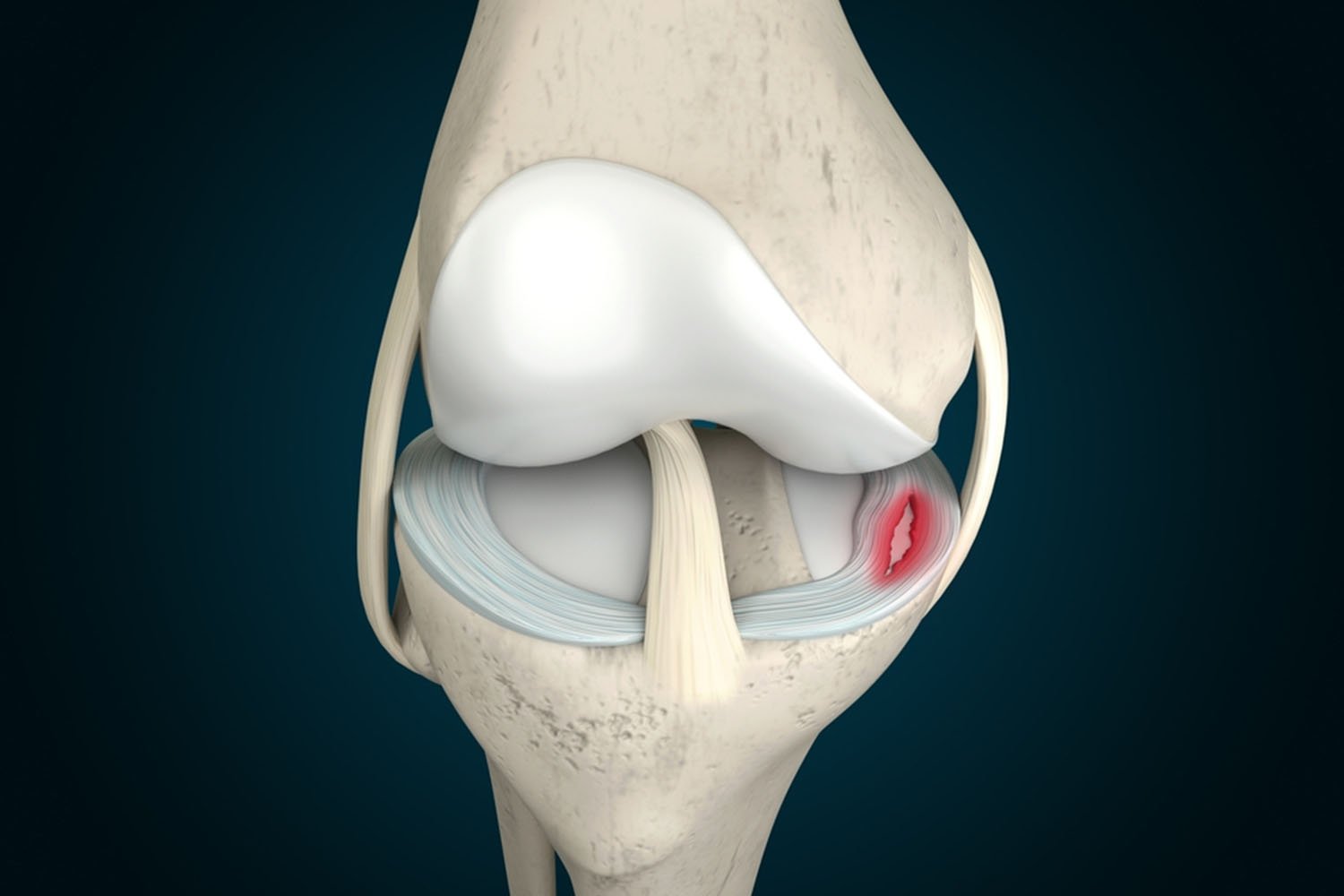
The knee joint is comprised of two pieces of cartilage in the shape of C known as menisci, one of which is located on the inside (medial meniscus) as well as one on the outside (lateral meniscus). The wedge-shaped, rubbery structures function as:
- Shatter absorbers are used to cushion the impacts between the Thigh bone (femur) and the shin bone (tibia)
- Load distributers spread weight equally across the joint
- Stabilisers help keep the knee straight during motion
- Joint Lubricators help to facilitate fluid, frictionless movement
Meniscus tears cause the knee is no longer protected by these capabilities. If not treated, a ruptured meniscus will cause cartilage damage and significantly increase the chance of developing osteoarthritis before it starts.
What Causes Meniscal Tears Happen?
Meniscal tears are triggered through two primary ways:
- Acute (traumatic) Tear: Are an abrupt twisting or turning forces on the knee. typical in sports such as cricket, football and kabaddi. It is also common in basketball as well as martial arts. The traditional mechanism is to have a foot planted that rotates the knee to the side.
- A Degenerative Tear: among adults who are over 40 years old the cartilage begins to weaken naturally. Meniscal tears can result due to something as simple as sitting down deeply, walking in a slack way off the curb or even stepping off a stool.
Recognizing the Symptoms: What is the best time to see the Meniscal Injury Specialist Doctor in Ranchi
Patients often put off seeking treatment due to the fact that pain may be easy to manage at first. However, meniscal injury doesn’t recover on their ownthey are aggravated by waiting. even more painful. Consult a meniscal injury specialist in Ranchi If you observe:
- Knee pain on the outer or inner joint area: localized discomfort directly on the meniscus
- Swelling: that develops in the first 24 days of injury (or gradual in tears that degenerate)
- The stiffness — problem benting fully or straightening the knee
- An ear-clicking pop, catching, or clicking feeling: when knee movements are performed
- The locking: the knee is stuck and can’t straighten up completely (an indication of a dislocated meniscal piece)
- Giving way: in a sudden instability that causes the knee to buckle unexpectedly
The Diagnosis Method
A highly skilled meniscal injury doctor in Ranchi can identify your problem by using:
- Physical Exam: Specific clinical tests such as McMurray’s test, Apley’s grind test and Thessaly’s test, which strain the meniscus, and mimic the symptoms.
- X-rays: can be used to determine if bone fractures are present or arthritis (X-rays aren’t able to show soft tissues, however, they provide important background)
- An MRI Scan: the gold standard in confirmation of a meniscal tear by in determining its location, type and extent, as well as aiding the treatment plan
Meniscal Injury Treatment in Ranchi of Options. of Choices
The treatment will depend on the kind of tear, the location in the meniscus, your fitness level, your age as well as the existence of related knee injuries. An in-depth evaluation conducted of the meniscal injury surgeon in Ranchi is crucial prior to any treatment recommendation being decided upon.
Non-surgical treatment
Meniscal tears do not always require surgery. The small, stable tears that occur in the outside (vascular) region of the meniscus in the area where blood flow is improved is often healed through conservative care:
- The RICE protocol (Rest and Ice Elevation, Compression) during the acute stage to lessen the pain and swelling
- Anti-inflammatory medication to treat the symptoms of inflammation and pain.
- Structured exercise physiotherapy focused exercises for strengthening the quadriceps muscles, hamstrings muscles, as well as hip muscles, which help protect and support the knee joint.
- Modification of activity — keeping out the deep squats and twisting movements and intense activity while the healing process
- Injections of corticosteroid are used for temporary pain relief in cases of inflammation that are important.
- PRP (Platelet-Rich Plasma) therapy is a rejuvenation option that can aid in healing tear-like areas, and is increasingly utilized by innovative meniscal injury experts in Ranchi
Treatment for non-surgical conditions typically lasts 6 to 12 weeks. If symptoms do not improve or persist then surgery may be required.
Surgery Arthroscopic knee Surgery
If tears don’t heal by themselves — or tears that result in the tear to lock, remain unstable or a significant functional restriction or significant functional limitations -the procedure of the arthroscopic surgical procedure is the procedure that is recommended. The procedure is minimally invasive and involves an extremely small camera as well as instruments that are inserted into tiny incisions that allow the surgeon to view and treat the tear in a direct manner.
Meniscectomy (Partial or Complete)
The damaged portion of the meniscus gets cut and then taken off. A partial meniscectomy- removing just the injured fragment and conserving as much of the healthy meniscus as is possible the most frequently performed knee arthroscopic procedure in the world.
- Recuperation: Most patients return to their daily activities within 2 to 4 weeks. They return to sport after 6-8 weeks
- Most effective treatment for Multiple tears within the in the (avascular) area in which healing is slow.
Meniscal Repair
The edges that have been damaged are stitched back to keep the meniscus in its entirety. This procedure is more biologically effective than surgery – the meniscus that is repaired will continue to safeguard the joint over time.
- Recover: Longer usually 4-6 months before full return to sports
- Ideal to treat: Tears in the outside vascular zone of the younger and active patientin which blood supply aids the healing process.
- What is the significance: Studies consistently show that meniscus preservation surgery results in substantially lower knee arthritis in the longer period
Meniscal Transplant
In rare situations where the majority or all the meniscus been removed previously, a donor meniscus may be implanted to the joint. It is a procedure that has been developed and executed by a skilled meniscal injury surgeon in Ranchi who has been trained for knee reconstruction that is complex.
How to Select the Best Meniscal Injury Specialist in Ranchi
The success of your surgery can be greatly affected by the person who will perform your assessment as well as if required an operation. What to be looking for:
- Expertise in Arthroscopic Techniques and Volume
Find out how many knee arthroscopies surgeons perform every year. The surgeons who perform the most volume have better visual skills, speedier operating times and less rate of complications. Meniscal repair — a most technically challenging procedureis a particular case that requires a specialist experienced in the field.
- A Repair-First Philosophy
The most effective meniscal injury specialist doctor in Ranchi will constantly determine if the tear can be repaired prior to recommending removal. Meniscus preservation is usually recommended if the pattern of tear and the patient’s condition allow it.
- Comprehensive Knee Assessment
Meniscal tear rarely occurs on their own. The ACL tear as well as cartilage injury or even early arthritis, are all common and need to be recognised and dealt with in tandem. A specialist must evaluate all aspects of the picture, not just the meniscus the absence of.
- Integrated Therapy Support for Physiotherapy
Surgery is just one part of the story. Be sure that the chosen medical facility or clinic offers well-planned rehabilitation programs that include a team of skilled sports physiotherapists who are familiar with post-arthroscopic knee healing procedures.
- Transparent Communication and Decision Sharing
A good doctor will discuss the nature of your tear, alternatives for treatment, as well as the research behind each. Then, they make a recommendation in accordance with your preferences and lifestyle. If you’re feeling stressed or overwhelmed, you should seek another opinion.
Recovery Milestones after Meniscal Surgery
The understanding of the timeframe for recovery helps reduce stress and helps keep patients on track:
| Milestone | Meniscectomy | Meniscal Repair |
| Move with no crutches | 3-7 days | A 4-6 week period |
| Return to work | 1 to 2 weeks | 3-4 weeks |
| Drive a car | 3-4 weeks | 6 weeks |
| Light gym / cycling | 4 to 6 weeks | 3 months |
| Return to sports | 6-8 weeks | A – 6 months |
Tips for optimizing recovery
- Get started with physiotherapy as soon as you can within the first week following surgery Don’t wait for the discomfort to disappear completely.
- It is important to start quadriceps exercise early because muscle weakness can begin after a few days following surgery.
- Apply ice regularly during the first two weeks of your stay to control swelling
- Do not bend your knees too far and avoid Squatting for a while until you are cleared by your surgeon.
- Be healthy and weigh a healthy weight each extra pound adds knee joint stress
Final Word: Act early, choose wisely and Recover Completely
Meniscal injuries are very serious, but can be treated. When you have the proper orthopedic in Ranchi many people can return to normal activities, sporting as well as an uninjured daily living. It is crucial to act prior to the injury onset by selecting a certified meniscal injury specialist doctor in Ranchi who follows the preservation approach and dedicates themselves to recovery.
Each week with delays means another week of unneeded injury to the cartilage that your knee is dependent on. Already you’re suffering from discomfort. You can get the right treatment in Ranchi today.
Get Your Knee Examination in Ranchi Do Not Wait
If you hurt your knee today or have suffered from the pain for months, medical assistance is nearer to you than you thought.
Make an appointment with Dr. Ujjwal Ortho an expert meniscal injury specialist in Ranchi. Receive a clear diagnosis, customised treatment plans, and crystal clear options for treatment, whether surgical or not.
Make a Call Now
Your knee has given you a signal. Pay attention to the warning and receive the expert treatment it needs.

Leave a comment