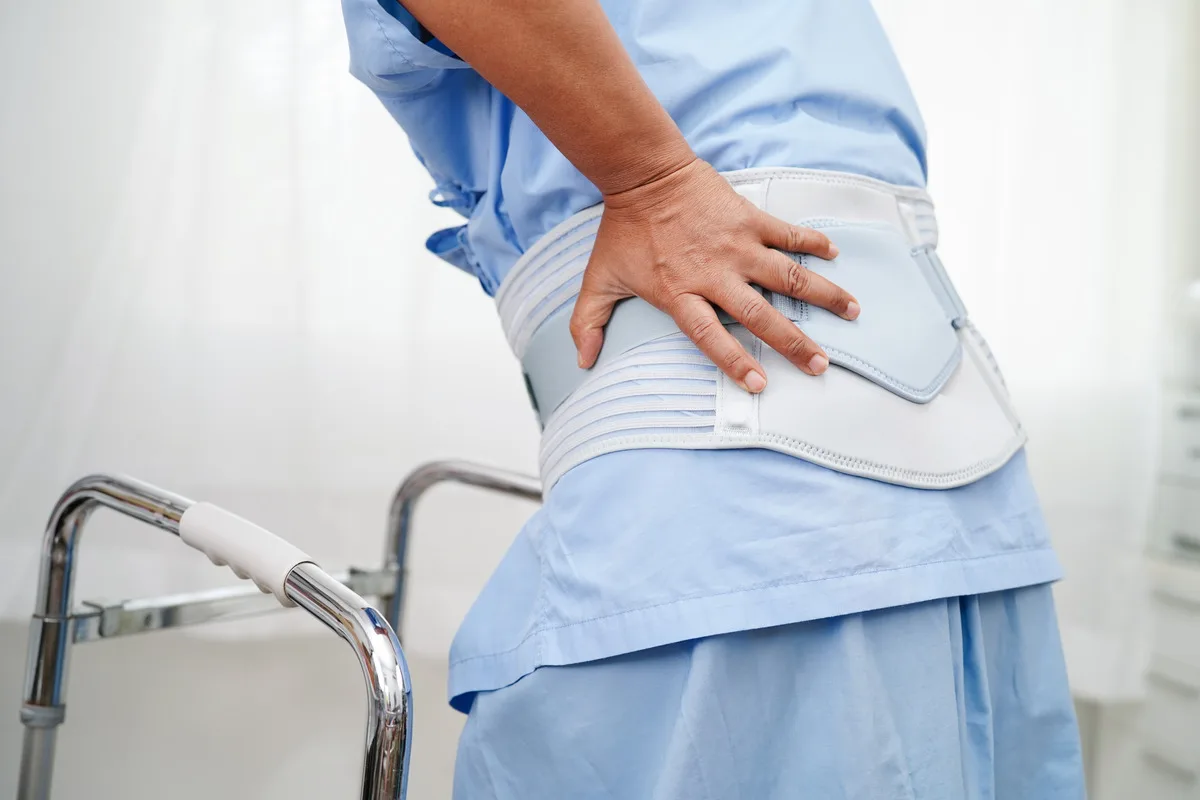
Are you caught wondering, “I just want to stroll without pain”? In many cases, the moment arrives following months, or perhaps years of discomfort in their hips that limit everyday activities, whether that’s walking up and down stairs, sitting on a chair cross-legged, or simply taking an evening stroll.
Hip replacement in Ranchi is usually a life-changing procedure; however, many patients are concerned about the next steps: How long does it take to heal? Which exercises are considered safe? How soon can I return to my normal routine?
In reality, recovering from hip replacements is a process; however, one that you shouldn’t do in a blind way. If you follow the proper workouts, modifications to your lifestyle and the guidance of your doctor to make the change smooth, secure and efficient.
What is the significance of Recovery just as much as surgery?
A hip replacement surgery replaces a damaged joint with an artificial one. However, surgery on its own isn’t enough to restore your full mobility. The ligaments, muscles and tendons need time and controlled movements to recover their strength and mobility. Recovering isn’t a passive thing, but an ongoing procedure, which means that your efforts play an integral role in how quickly and safely you are back into your normal routine.
The Timeline for Recovery: How to Prepare
Every patient’s healing is individual; however, here’s a general timetable that you can follow to help you plan your own:
Week 1: Beginning of Recovery Phase
- Mobility: A majority of people begin by standing and take several steps using a walker within 24 hours.
- Objectives: Stop blood clots from occurring or causing pain, and manage discomfort. engage muscles.
- Activities:
- The pumping of the ankle is done every hour while sitting on the floor.
- A few short walks around the room at least once a day.
- Learning safe ways to get into and out of beds or chairs.
Imagine this as “laying the foundation”-you’re becoming accustomed to the new joint.
Week 3 to Regain Fitness
- Mobility: The transition from the walker into independent walking (with the permission of your physician).
- Objectives: Improve range of movement, strengthen muscles and decrease stiffness.
- Activities:
- Slides for the glute, thigh squeezes, as well as standing hip extensions.
- For 5-10 minutes of walking, often throughout the day.
- Simple household chores like making the table, or even cooking.
Week 7-12 Back to Daily Life
- Mobility: A majority of people can walk with no assistive devices or climb steps.
- The goal is to resume normal activities in a safe manner to improve balance and coordination.
- Activities:
- Water exercise or stationary cycling (if the incision has healed).
- Balance exercises with supervision.
- Desk work and driving (after medical approval).
Month 3 and beyond: Complete Recovery
In this phase, many people return to activities that are low impact, such as yoga, swimming or trekking. Sports that cause high impact or run is not recommended unless it has been authorised by your physician.
Essential exercises for hip Recovery
Physical therapy is the basis for hip replacement rehabilitation. These are the most frequently recommended
- Ankle Pumps Bend and point your feet in order to increase blood flow.
- Quad Sets: The thighs should be tightened. Hold for 5 seconds, then release. Repeat 10 times.
- Gluteal Squeezes Strengthen the muscles in your buttocks for better hip stability.
- Heel Slides Move your heel toward your hips and then lie flat for a good stretch.
- Standing Hip Abductions Move your foot slightly to the side while holding on to the support in order to build hip muscles.
Lifestyle Adjustments to ensure a smooth recovery
Simple adjustments to daily routines help you recover faster and more securely:
- Change Your House: Utilise a toilet with a raised seat, put in grab bars inside the bathroom and store the essentials within reach.
- Avoid high-risk movements: Don’t cross your legs, sit on low chairs, or bend your body when standing.
- Make sure you sleep in a safe way: Lie on your back, or on your recommended side, with a pillow under your knees.
- Eat for Health: Focus on protein (lean eggs, meats, legumes) and calcium-rich food items (milk and curd) and water to aid in the repair of bone tissue and improve its health.
- Prioritise rest: Sleep well to let your body recover. However, you should avoid prolonged bed rest, which can hamper progression.
Long-Term Lifestyle Following Hip Replacement Surgeon in Ranchi
When fully recovered, the hips are back to their optimal health. vital:
- Keep active by engaging in easy-going activities such as cycling, walking and swimming.
- Be sure to maintain a healthy weight so that you don’t put stress on your newly formed joint.
- Keep doing stretching exercises in order to ensure that muscles remain flexible.
- Regular check-ups are a good way to assess joint health and joint health.
The role of experts Guide
Although online sources can be helpful, your plan for recovery must be individualised according to the age of your patient, their medical history, and the type of procedure you are having. A consultation with a skilled orthopedic in Ranchi, as well as a physiotherapist, will ensure that you are able to progress in a safe and effective manner.
Dr. Ujjwal Sinha, a renowned joint replacement surgeon in Ranchi, is well-known for his use of the most advanced minimally invasive methods and proven recovery methods. The focus of his patient-centric practice is earlier mobility, quicker healing, and longer-term joint health.
Final Thinking
Recovery from hip replacement can feel difficult, but with the correct method, it’s an empowering procedure that allows you to regain your freedom and enjoyment of living. If you are committed to your fitness regimen, making changes to your lifestyle and following the medical advice closely, you’ll be able to anticipate taking a walk, travelling and living the life you want to live without discomfort.
If you’re considering the procedure of a hip replacement or recuperating, talk to an expert who is reputable and can assist you in a well-planned and secure rehabilitation process.
Affecting Common Concerns
Patients are often faced with a variety of concerns during their recovery.
Do I have stiffness?
A mild stiffness could persist for a couple of months before improving through regular exercise and walking.
When am I able to drive again?
Most often, after 6-8 weeks, during which you will be able to move the leg, you will be able to walk without discomfort or trepidation. Be sure to check with your doctor prior to making any changes.
Do I experience discomfort while working out?
Sore muscles are common; however, any sharp pain, swelling or redness must be immediately reported.
Finding these solutions early will decrease anxiety and assist you in keeping you motivated during the course of your rehab.

Leave a comment